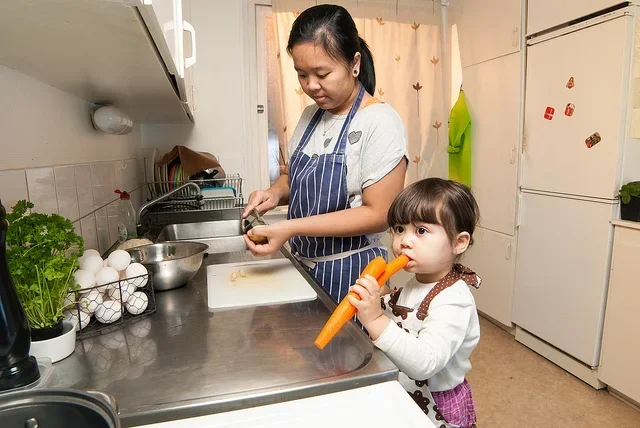
Ensuring your kitchen is a safe space for curious little explorers is paramount. Learning how to childproof your kitchen safely involves proactive measures like securing cabinets, safeguarding appliances, and eliminating reachable hazards. By implementing these practical steps, you create a worry-free environment where your children can be near you without encountering dangerous situations, allowing you to focus on cooking and family time with peace of mind.
How to Childproof Your Kitchen Safely
The kitchen, often called the heart of the home, is a place for delicious meals, warm conversations, and family gatherings. But for little ones, it’s also a fascinating realm filled with alluring dangers. From tempting cabinets hiding cleaning supplies to hot stoves and sharp utensils, the kitchen presents a unique set of challenges when you have curious children around. That’s why learning how to childproof your kitchen safely isn’t just a good idea; it’s an absolute necessity for every parent or caregiver.
Children are natural explorers. They love to touch, taste, and investigate everything in their path. While this curiosity is vital for their development, it can put them at risk in an unsecured kitchen. A moment’s distraction is all it takes for an accident to happen. This comprehensive guide will walk you through practical, effective strategies to transform your kitchen into a safe haven, ensuring you can cook, clean, and relax with greater peace of mind knowing your little ones are protected.
Let’s dive into the essential steps to childproof your kitchen safely, covering everything from hidden dangers to visible threats. Our goal is to empower you with the knowledge and tools to create a secure environment where your children can explore safely, and you can enjoy your kitchen worry-free.
Key Takeaways
- Secure Cabinets and Drawers: Install child-resistant locks on all cabinets and drawers, especially those containing cleaning supplies, sharp objects, or breakables. Magnetic, strap, and sliding locks are effective choices.
- Guard Appliances: Implement safety measures for your oven, stove, refrigerator, and dishwasher. Use oven locks, knob covers, and secure the fridge/freezer to prevent access to potentially dangerous items or hot surfaces.
- Clear Countertops and Pantries: Keep all hazardous items like knives, hot liquids, small appliances, and breakables far out of reach on high shelves or locked cupboards. Store pantry items strategically, placing safe snacks at lower levels.
- Address Electrical Hazards: Cover all unused electrical outlets with childproof caps and secure appliance cords to prevent pulling or tripping. Ensure extension cords are not accessible.
- Control Access and Movement: Utilize safety gates to restrict kitchen access for very young children. Ensure floors are non-slip and clear of clutter to prevent falls.
- Educate and Involve: As children grow, teach them about kitchen dangers and safe behaviors. Lead by example and involve them in age-appropriate tasks to foster respect for kitchen safety.
- Regularly Re-evaluate: Childproofing is an ongoing process. Periodically review your kitchen safety measures as your child grows and develops new abilities to ensure continued protection.
Quick Answers to Common Questions
What are the most important areas to childproof in the kitchen?
Focus on securing cabinets and drawers containing hazards, safeguarding major appliances like the oven and dishwasher, and clearing countertops of sharp or hot items.
Are magnetic cabinet locks better than strap locks?
Both are effective, but magnetic locks are often preferred for their invisible installation, maintaining kitchen aesthetics. Strap locks are more versatile for various surfaces.
How can I prevent my child from turning on the stove?
Use stove knob covers that fit over the knobs, making it impossible for small hands to turn them. An oven lock is also crucial to prevent the door from opening.
What should I do with electrical cords in the kitchen?
Secure all appliance cords, keeping them short and out of reach using cord shorteners or wraps. Cover all unused outlets with childproof caps to prevent electrocution.
When should I start teaching my child about kitchen safety?
Begin teaching age-appropriate kitchen safety lessons as soon as your child can understand simple instructions, usually around two to three years old, reinforcing the rules consistently.
📑 Table of Contents
1. Securing Cabinets and Drawers: The First Line of Defense
Cabinets and drawers are perhaps the most common points of entry for curious toddlers in the kitchen. They house everything from cleaning products and sharp knives to heavy pots and breakable dishes. Securing these is your primary step to childproof your kitchen safely.
Magnetic Locks: The Invisible Solution
Magnetic locks are an excellent choice because they’re installed inside cabinets, making them invisible from the outside. They work with a special magnetic key that unlocks the cabinet. This keeps the aesthetic of your kitchen intact while providing strong security. Just be sure to keep the magnetic key in a hidden, high place that only adults can access.
Strap Locks: Versatility and Ease
Strap locks are versatile and easy to install. They consist of two adhesive bases connected by a flexible strap, allowing you to secure cabinets, drawers, refrigerators, and even toilet seats. They’re perfect for odd-shaped or side-by-side cabinets and are simple for adults to open with one hand, but frustratingly difficult for little hands.
Sliding Locks: For Double-Door Cabinets
If you have double-door cabinets, sliding locks are a simple and effective solution. They slide around both handles or knobs, preventing the doors from opening. While they are visible, their ease of use and immediate effectiveness make them a popular choice for quick childproofing.
Drawer Latches: Small but Mighty
Internal spring-loaded latches are another discreet option for drawers. When a drawer is pulled, the latch catches, preventing it from opening fully. Adults can simply push down on the latch to release it. They require a bit of installation but offer reliable security.
Storing Dangerous Items: Placement is Key
Beyond locks, smart storage is crucial. All cleaning supplies, dish soaps, detergents, and hazardous chemicals should be stored in the highest possible cabinets, ideally those with locks, or in cabinets that are not easily accessible. Similarly, knives, sharp utensils, and small appliances with blades should be stored in locked drawers or on high shelves, far out of reach. Even seemingly innocuous items like plastic bags can be a suffocation hazard and should be kept away from children.
2. Addressing Appliances: Big Dangers, Simple Solutions
Kitchen appliances, from the stove to the dishwasher, pose significant risks if not properly secured. Tackling these big machines is vital if you want to childproof your kitchen safely.
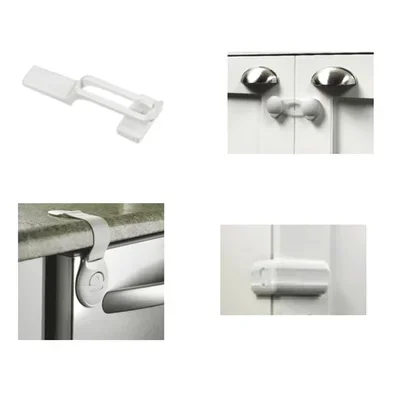
Visual guide about How to Childproof Your Kitchen Safely
Image source: i0.wp.com
Oven and Stove Safety: Preventing Burns
- Oven Locks: Install an oven lock to prevent curious hands from opening the hot oven door.
- Stove Knob Covers: Clear, plastic covers fit over stove knobs, making it impossible for children to turn them on. This is a must-have to prevent accidental burns or gas leaks.
- Back Burner Use: Whenever possible, use the back burners on your stove. Turn pot and pan handles inward, away from the edge of the counter, to prevent them from being pulled down.
- Appliance Straps: Secure freestanding ranges to the wall with anti-tip brackets to prevent them from tipping over if a child climbs on the door.
Refrigerator and Freezer Control: Food and Falls
A refrigerator can be a tempting climbing structure or a source of tempting, yet unsafe, items. Use a strap lock to keep the fridge and freezer doors securely closed. This prevents children from accessing choking hazards, raw food, or even heavy glass containers that could fall. It also prevents them from climbing inside and potentially getting trapped.
Dishwasher Precautions: Sharp Objects and Chemicals
The dishwasher contains sharp cutlery, breakable dishes, and residual detergent. Always run the dishwasher with child-resistant detergent, and load sharp objects with handles facing up. Install a dishwasher lock to prevent children from opening it during a cycle or accessing dirty dishes and harmful soap. After the cycle, unload sharp items immediately.
Small Appliances: Unplug and Store
Toasters, blenders, coffee makers, and food processors can be heavy, hot, or have sharp blades. Always unplug small appliances when not in use and store them in a locked cabinet or on a high shelf. Keep their cords tidy and out of reach to prevent children from pulling them down, which could result in scalding liquids or heavy objects falling.
3. Countertops and Pantry: Keeping Hazards Out of Reach
Beyond cabinets and appliances, the surfaces and storage areas in your kitchen need attention when you childproof your kitchen safely.
Clearing the Countertops: Knives, Glassware, and Hot Items
Keep your countertops as clear as possible. Knives should always be stored in a locked drawer, a knife block in a secure cabinet, or on a magnetic strip mounted high on the wall. Glassware, fragile dishes, and anything that could easily shatter should be kept far from the edge and ideally in upper cabinets. Never leave hot liquids (coffee, tea, soup) or hot food near the edge of a counter where a child could reach them. Consider placing a barrier if your counters are very accessible.
Pantry Organization: High and Dry Storage
Your pantry can be a treasure trove of tempting items for little hands. Store all non-food items, such as pet food, pest control products, or any items with small parts, on high shelves or in locked containers. Place heavy items on lower shelves to prevent them from falling. For children old enough to understand, you can designate a “kid-friendly” lower shelf with safe snacks and drinks to deter them from exploring other areas.
Trash Can Management: Out of Sight, Out of Mind
Trash cans are magnets for children due to their intriguing contents and often accessible placement. They can contain anything from food waste (choking hazards, bacteria) to sharp edges from cans or broken glass. Use a trash can with a securely locking lid or, even better, place it inside a locked cabinet. This is a simple yet crucial step to childproof your kitchen safely and prevent unnecessary risks.
4. Floors, Doors, and Entryways: The Peripheral Safety Zone
Don’t forget the surrounding areas and points of access. These peripheral zones are just as important when you childproof your kitchen safely.
Slippery Surfaces: Mats and Spills
Kitchen floors can become slippery from spills or splashes, posing a fall risk for everyone, especially active children. Use non-slip mats in high-traffic areas, like in front of the sink. Immediately wipe up any spills to maintain a dry and safe surface. Ensure rugs are secured and not tripping hazards.
Kitchen Doors and Gates: Controlled Access
For very young children or particularly busy kitchens, a safety gate at the kitchen entryway can be invaluable. This creates a physical barrier, preventing unsupervised access. Make sure the gate is securely mounted and meets safety standards. For kitchens with swinging doors, consider a door jammer or top-of-door lock to control access.
Electrical Outlets: Covering the Current Danger
Exposed electrical outlets are a significant hazard. Install childproof outlet covers on all unused outlets. For outlets in use, ensure cords are secured and out of reach. Use cord shorteners or wraps to keep excess cord length tidy and prevent children from pulling on them, which could dislodge appliances or create a tripping hazard. Never run cords across walkways where they could be tripped over or chewed on.
5. Ongoing Vigilance and Education: The Long-Term Strategy
Childproofing isn’t a one-time task; it’s an ongoing commitment. As your child grows and develops new skills, your safety strategies will need to evolve. To truly childproof your kitchen safely, you need to stay vigilant and empower your children with knowledge.
Regular Safety Audits: A Fresh Pair of Eyes
Periodically walk through your kitchen from a child’s perspective. Get down on your hands and knees. What looks tempting? What’s within reach? Are any locks broken or worn out? Are there new items that pose a risk? This fresh perspective can help you spot overlooked hazards or areas that need a safety upgrade. Do this review every few months, especially as your child hits new developmental milestones like crawling, pulling up, or walking.
Teaching Kids About Kitchen Safety: Empowering Them
As children grow older, simply locking things away isn’t enough. It’s crucial to start teaching them about kitchen safety. Explain why certain areas are dangerous (e.g., “the stove is hot and can burn you,” “knives are sharp and can cut you”). Use age-appropriate language and reinforce these lessons consistently. Teach them not to touch outlets, not to play near the stove, and to ask an adult before entering the kitchen or touching anything.
Setting a Good Example: Leading by Doing
Children learn by watching. Model safe behavior in the kitchen yourself. Always use oven mitts, turn pot handles inward, and clean up spills immediately. Show them respect for the kitchen’s potential dangers. Involve them in safe, age-appropriate kitchen tasks, such as washing vegetables or stirring cold ingredients, to help them understand the purpose of the kitchen and learn responsible behavior in a controlled environment.
By consistently applying these safety measures and fostering an understanding of kitchen safety, you’re not just childproofing your kitchen safely for today, but building a foundation for responsible behavior that will last a lifetime.
Conclusion: Your Safe and Happy Kitchen Awaits
Creating a safe kitchen environment is one of the most important steps you can take as a parent or caregiver. The kitchen, while central to family life, is also full of potential hazards for curious little ones. By diligently applying the strategies outlined in this guide – from securing cabinets and safeguarding appliances to clearing countertops and educating your children – you can effectively childproof your kitchen safely.
Remember, childproofing is an ongoing process, not a one-time fix. As your children grow and their abilities change, so too will the types of hazards they might encounter. Regular vigilance, periodic safety checks, and open communication about kitchen rules will ensure your efforts continue to protect your family. With these measures in place, you can enjoy the heart of your home with peace of mind, knowing your little explorers are safe and sound.
Frequently Asked Questions
How often should I review my kitchen childproofing?
It’s a good practice to review your kitchen childproofing measures every few months, or whenever your child reaches a new developmental milestone (e.g., starts crawling, walking, or climbing). Children’s abilities change rapidly, so what was safe yesterday might not be safe today.
What are some common overlooked hazards in the kitchen?
Often overlooked hazards include accessible trash cans (choking/bacteria), unsecured small appliances with cords (burn/fall risk), low-lying pantry items (choking/poison), and even heavy items on low shelves that could fall if pulled out.
Can I childproof my kitchen without buying expensive gadgets?
Absolutely! While some gadgets are helpful, you can start by simply rearranging your kitchen. Move all hazardous items to high, out-of-reach cabinets, use basic sliding or internal latches, and store small appliances out of sight and unplugged. Gates can also be DIY with proper wood or plastic barriers.
My child can open some childproof locks. What should I do?
If your child is figuring out existing locks, it’s time to upgrade or switch types. Try a different locking mechanism they haven’t encountered, or consider dual locks (e.g., a magnetic lock combined with an external strap lock) for critical areas. Always keep the most dangerous items in the highest, most secure locations.
Is it okay to let my child play in the kitchen while I cook?
It’s generally not recommended to let young children play freely in the kitchen, especially when cooking, due to the numerous hazards. If they must be in the kitchen, create a designated safe zone (e.g., a playpen or high chair) within sight but away from hot zones, sharp objects, and active cooking areas.
How can I make my trash can childproof?
The best way to childproof your trash can is to use one with a securely locking lid that requires an adult mechanism to open. Alternatively, place your trash can inside a cabinet that is equipped with a strong child-resistant lock or latch, keeping its contents completely out of reach and sight.